Do I Need a Permit for a Room Addition in Arlington?
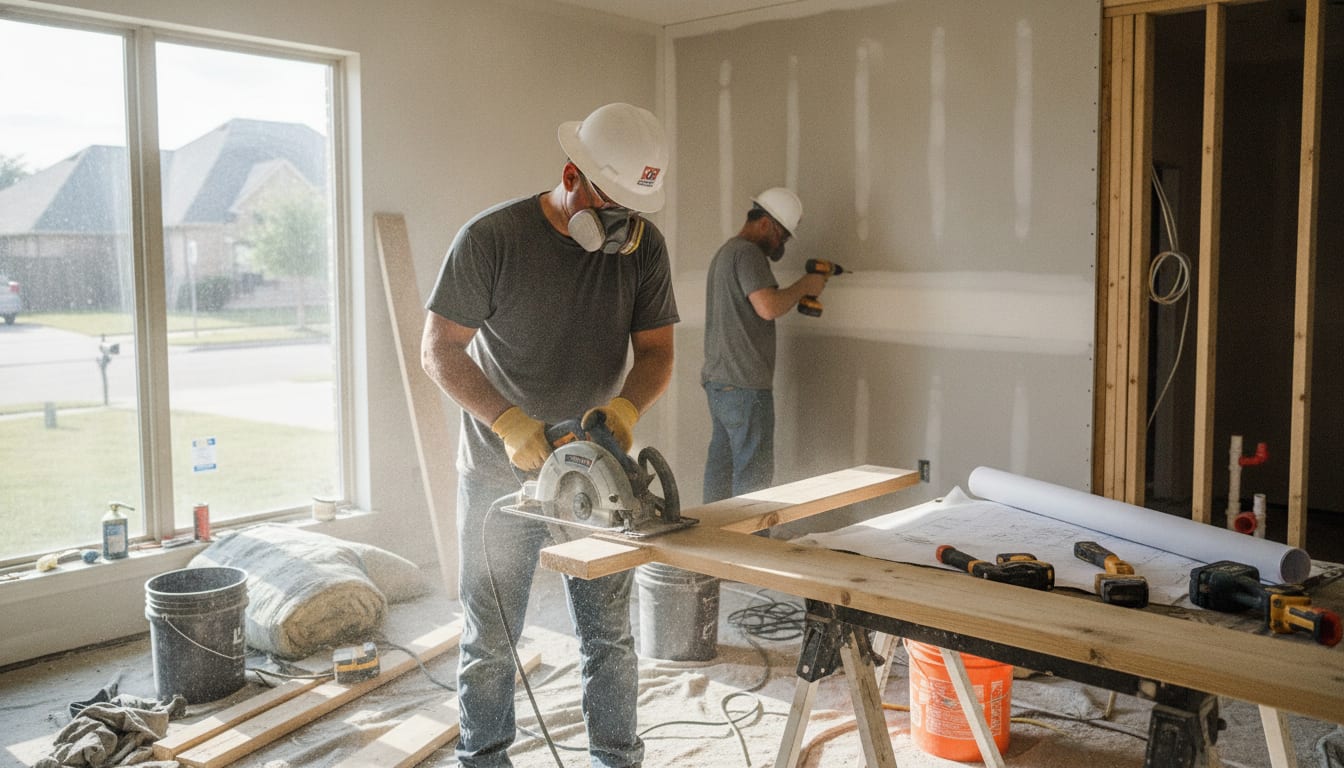
Room addition permits in Arlington, TX explained - what triggers one, how inspections work, and why it matters for your project's resale value.
Short answer: yes, almost always. If you're adding square footage to your house in Arlington - a bedroom, a primary suite, a sunroom, or a garage conversion that adds living space - the city is going to want a permit, and probably several inspections along the way. The longer answer is more useful, so let's get into it.
Why Room Additions Trigger Permits
Any time you touch the foundation, add framing, tie into the roof, or extend plumbing and electrical, you're in permit territory. That covers pretty much every room addition we build. Arlington, like most DFW cities, requires permits for structural work, electrical, plumbing, and mechanical changes - and a room addition usually involves all four. Garage conversions catch people off guard here too, since it looks like "just finishing a space" but the city treats it as a change of use, which means permits for insulation, electrical, sometimes egress windows if it's going to be a bedroom.
Skipping the permit doesn't just risk a stop-work order mid-project. It shows up later - at resale, when a buyer's inspector or an appraiser asks for permit history and there isn't one, or when your insurance company asks questions after a claim on unpermitted square footage. It's one of those things that's invisible until it very much isn't.
What the Inspection Process Actually Looks Like
For a typical addition, you're looking at a sequence of inspections tied to the stages of construction: footing and foundation before concrete is poured, framing once the structure is up but before it's closed in, rough-in inspections for the plumbing and electrical that a licensed subcontractor pulls their own permits for, insulation, and then a final inspection before you get a certificate of occupancy for the new space. Each one has to pass before the next phase of work can legally continue - which is part of why a contractor who's done this before matters. Scheduling inspections around the actual pace of a job, not around hoping the inspector doesn't notice something, keeps things moving.
Here's a fact that surprises a lot of homeowners: Texas does not issue a state license for general contractors, remodelers, or roofers. It's not an oversight - it just doesn't exist. What Texas does license is plumbing, through the Texas State Board of Plumbing Examiners, and electrical, through the Texas Department of Licensing and Regulation. Both of those licenses are public record and searchable. So when you're hiring for a room addition, the real due diligence isn't